Vriddha Mitra logo

What We Do

Building an Age Friendly Ecosystem

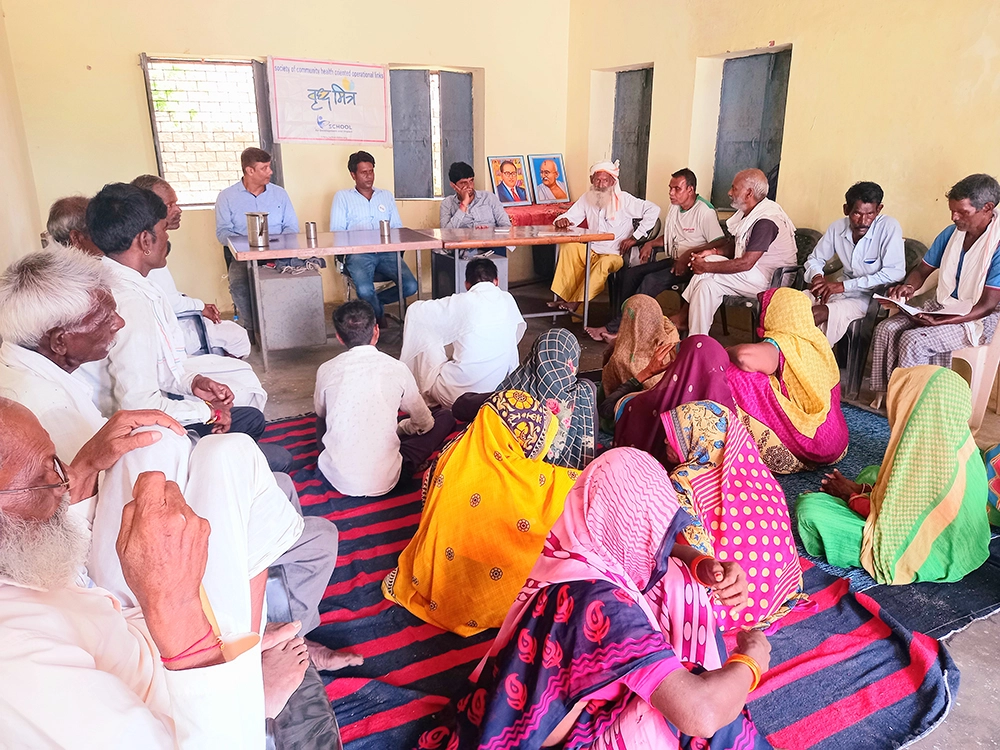
The Vriddha Mitra programme is built on a long-term vision of creating an age-friendly ecosystem that supports older adults to live with dignity, safety, and independence within their communities.This ecosystem goes beyond service delivery by strengthening specialized care for the elderly, advocating for inclusive public infrastructure, and enabling access to essential health and social entitlements through active engagement with public systems. towards ageing by promoting awareness, empathy, and respect across communities.

Because no one should have to grow old feeling alone.

How We Do It

Community Based Mechanism

Objectives Of Community Based Mechanism
Resilient Social Support Structure

Resilient Social Support Structure

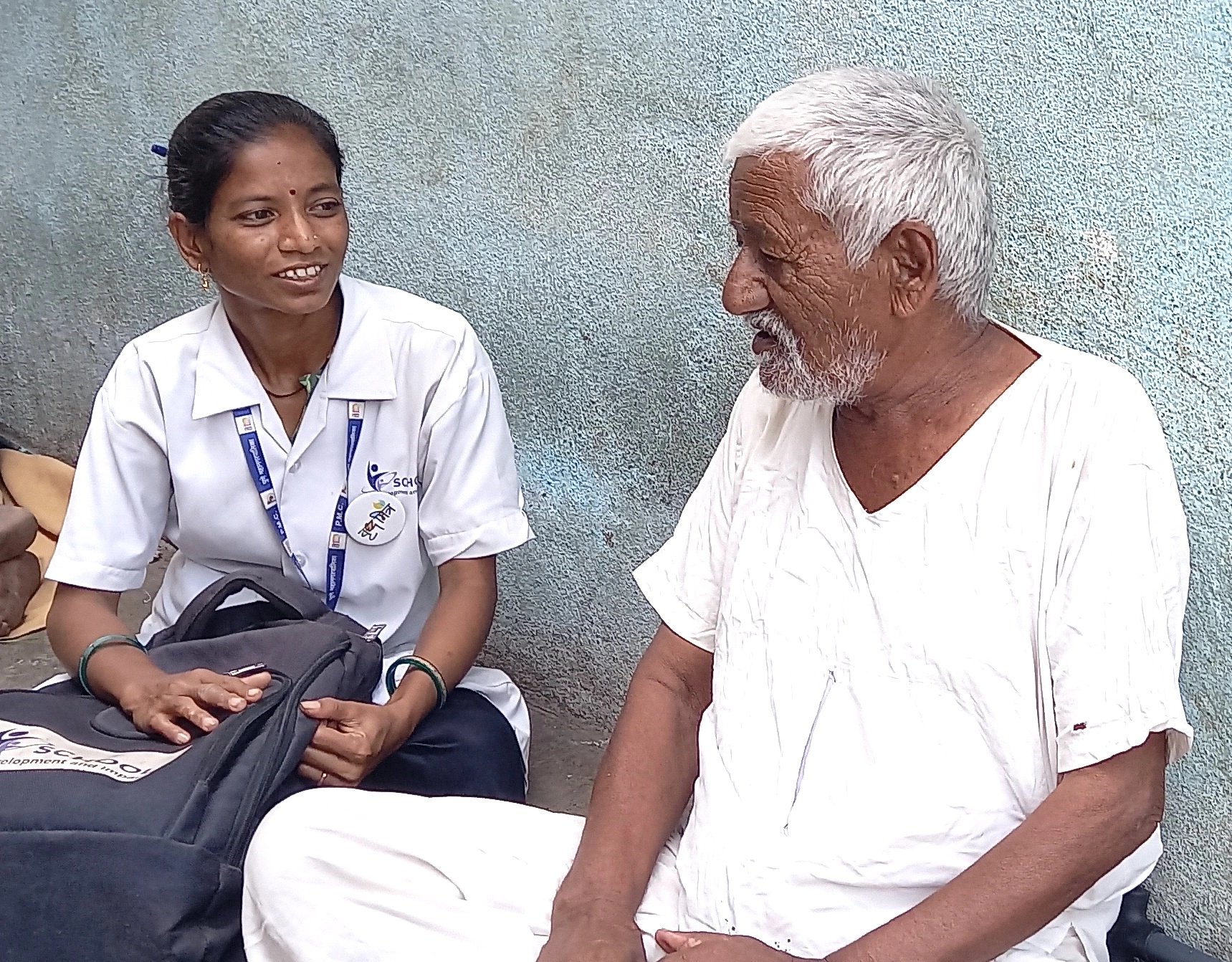
Creating social support structure by establishing relationship with the elderlies, their families and community as a whole.
  • Going for Home Visits
  • Registering on Saving Life Checklist
  • Creating Individual Care Plans
  • Counselling sessions
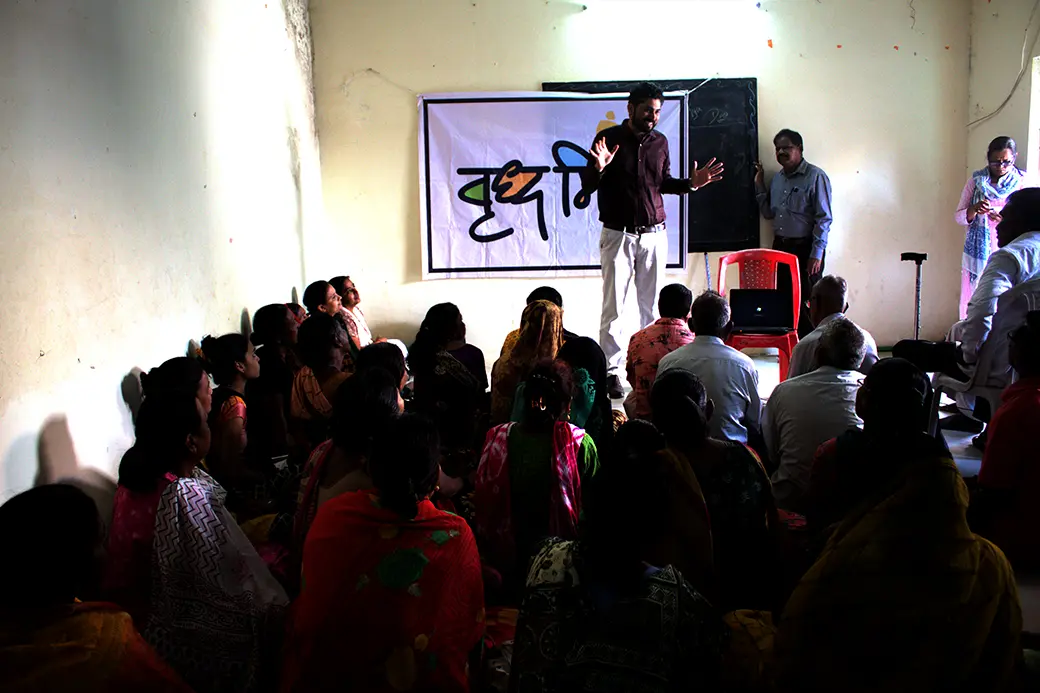
  • Community meetings for sensitization
Comprehensive Community-Based Care

Comprehensive Community-Based Care

Establishing community based comprehensive service delivery model for basic care of elderlies and activating the public system to provide comprehensive services to the elderlies.
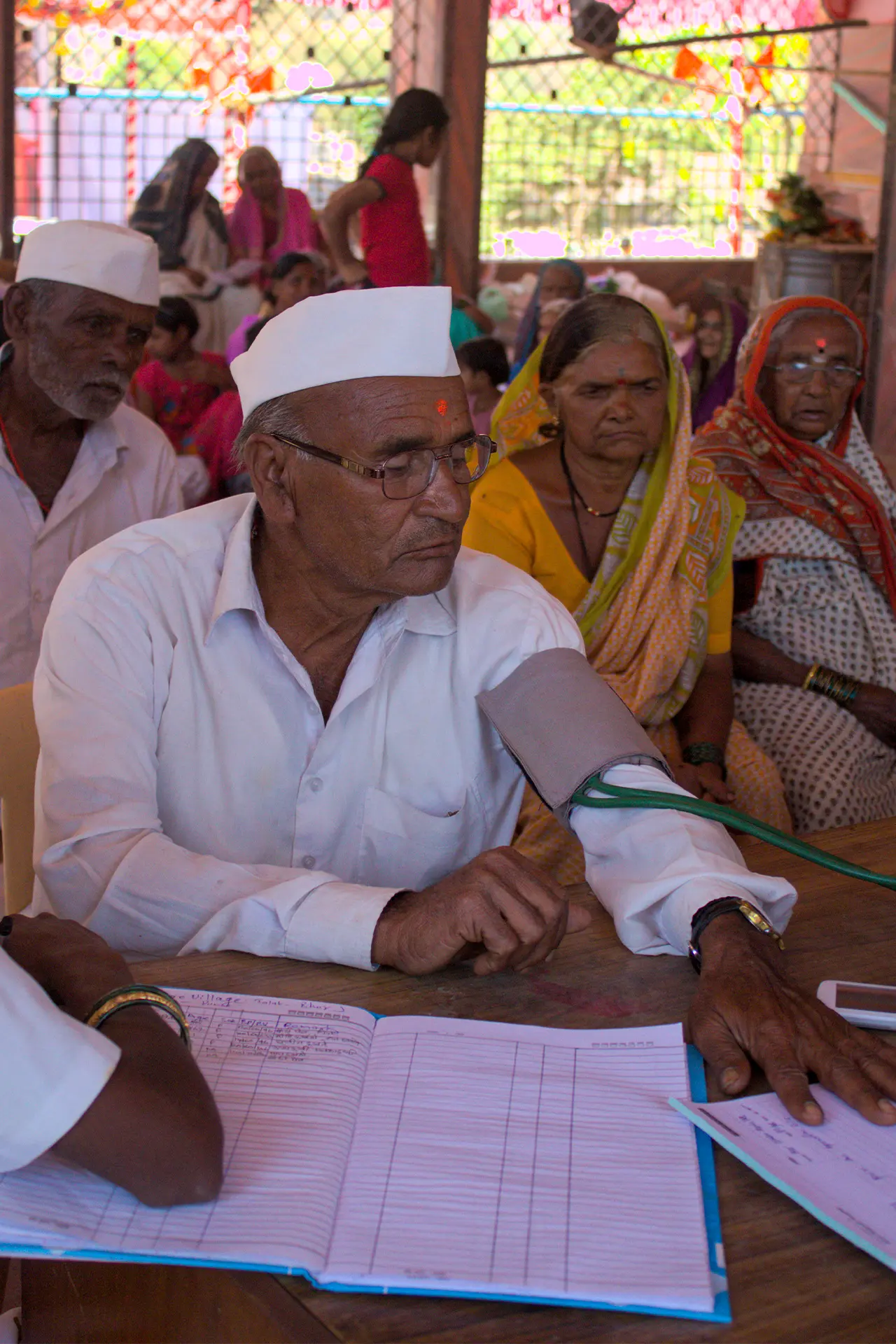
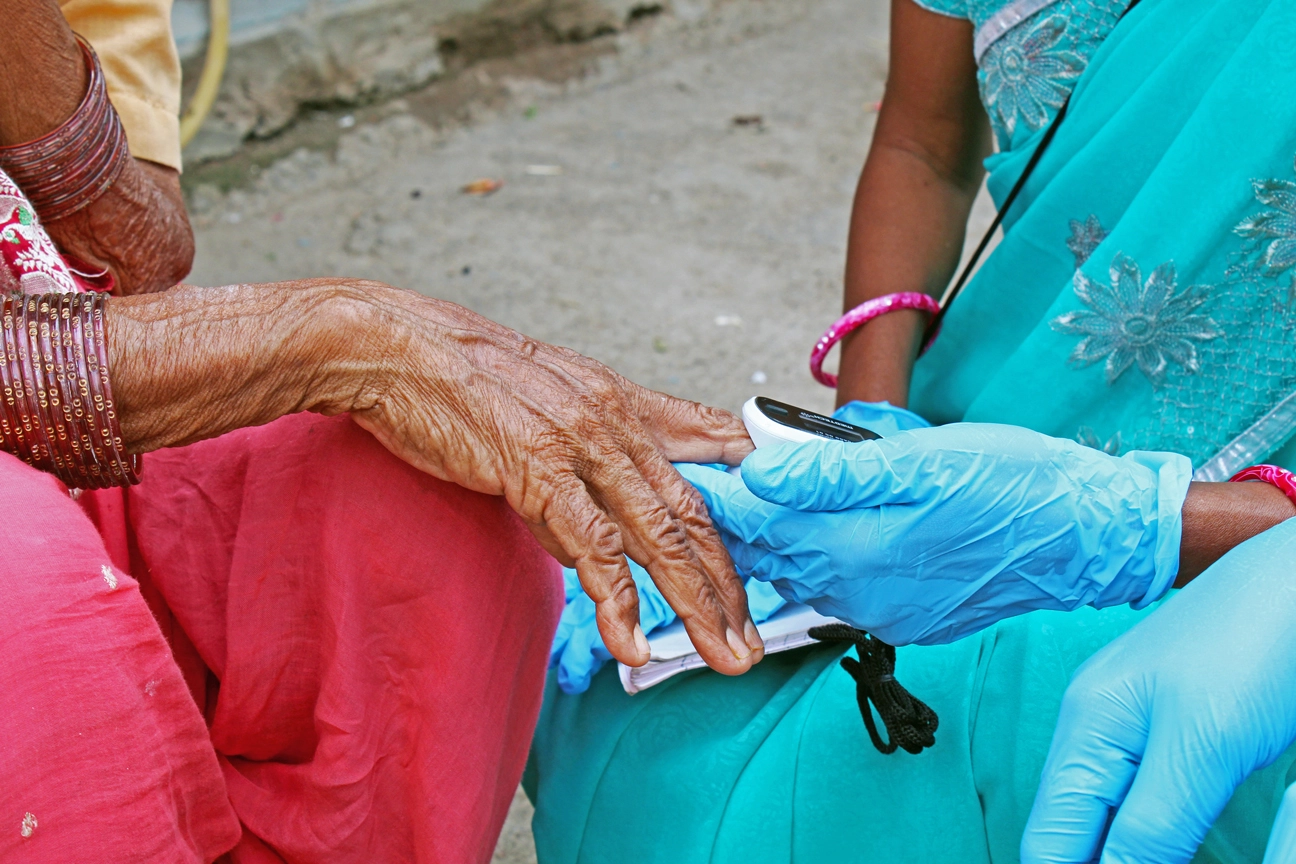
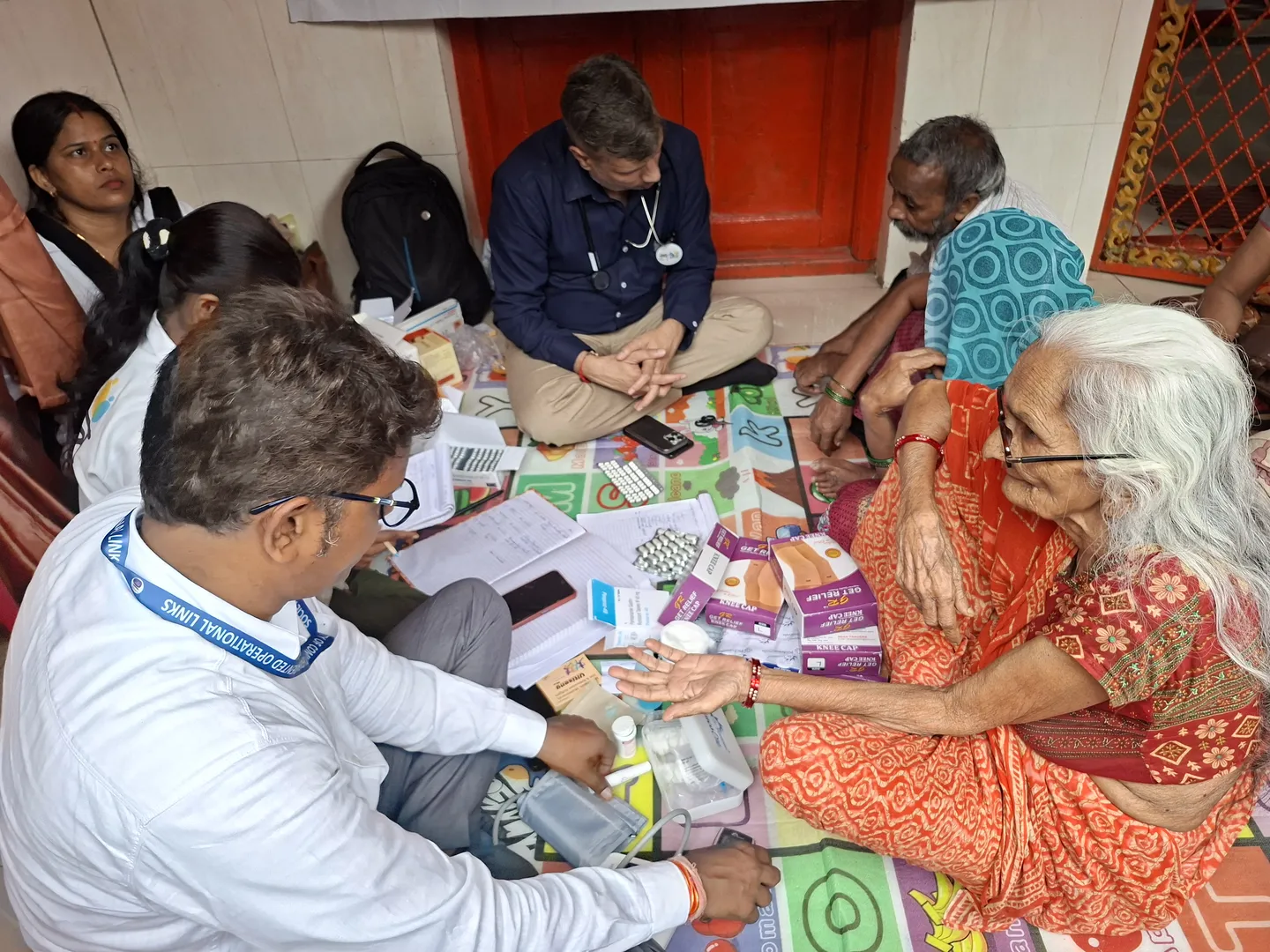
  • Providing home health check-ups, physiotherapy, virtual OPD
  • Providing assistive devices, medicines, basic consumables
  • Referrals for health, violence, legal aid, mental wellbeing etc.
Enhancing Inclusion via Program Linkages

Enhancing Inclusion via Program Linkages

Building linkages with different schemes and programs to enhance inclusion
  • Social security entitlements and schemes
  • Linkages with all schemes and programs
  • Support for all documentation for each scheme

Improving Quality Of Life

Our Individual Care Plan focuses on different factors related to these six domains.

Physical Health

Physical Health

  • Home based health-check-ups
  • Disbursement of medicines and supplements
  • Virtual OPDs
  • Referral to higher facilities for treatment
Psychological State

Psychological State

  • One on one Counselling with the elderly
  • Following mhGAP tool to understand their mental wellbeing
  • Talking and sensitizing the family members
Level Of Independence

Level Of Independence

  • Providing assistive devices to the elderly
  • Providing basic necessities such as diapers, ration, etc.
  • Providing multi-vitamins to improve physical strength to move around
Social Relationships

Social Relationships

  • Community level meetings
  • Encouraging youth engagement
  • Creating volunteers Inter-generational bonding
  • Putting up IEC and BCC messages in the community to create an understanding of the elderly’s need
Environmental Features

Environmental Features

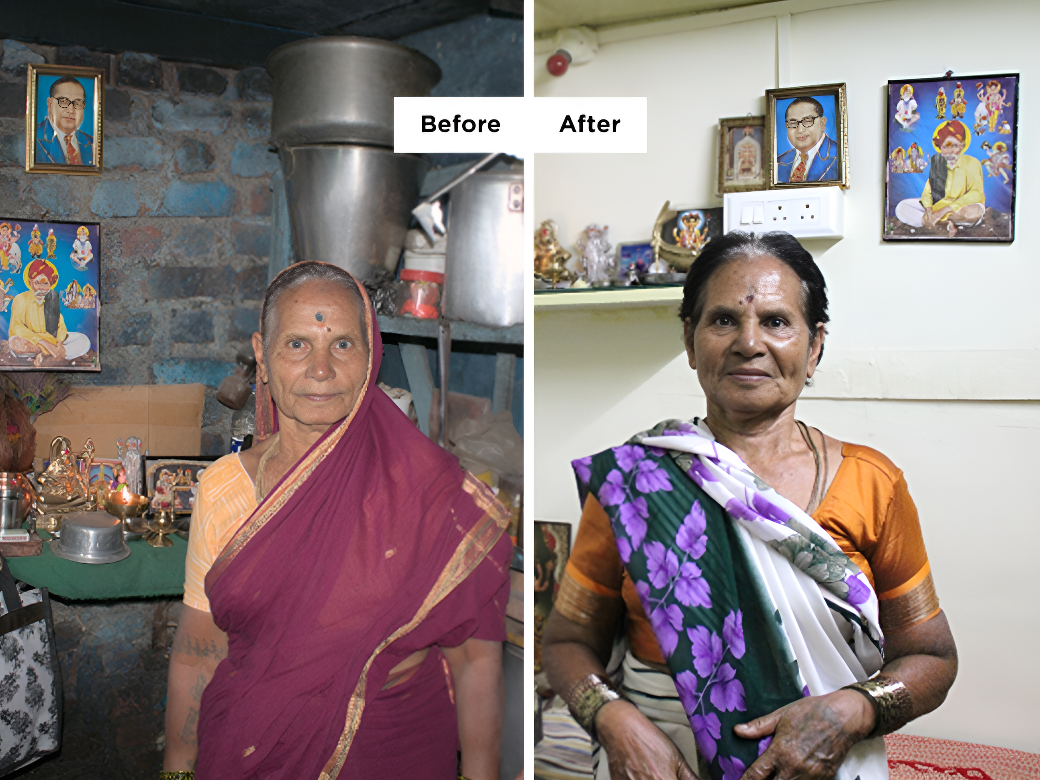
  • House repairs for improving living conditions and providing ease and comfort
  • Home visits, for building enabling environment
  • Counselling of the elderly and their family members
  • Providing assistive devices to reduce their dependence and improve freedom
Spritual Concerns

Spritual Concerns

  • Coming together as a group and sharing their beliefs
  • Singing, Lunching and engaging with each other

Geriatric Units

What are Geriatric Units?

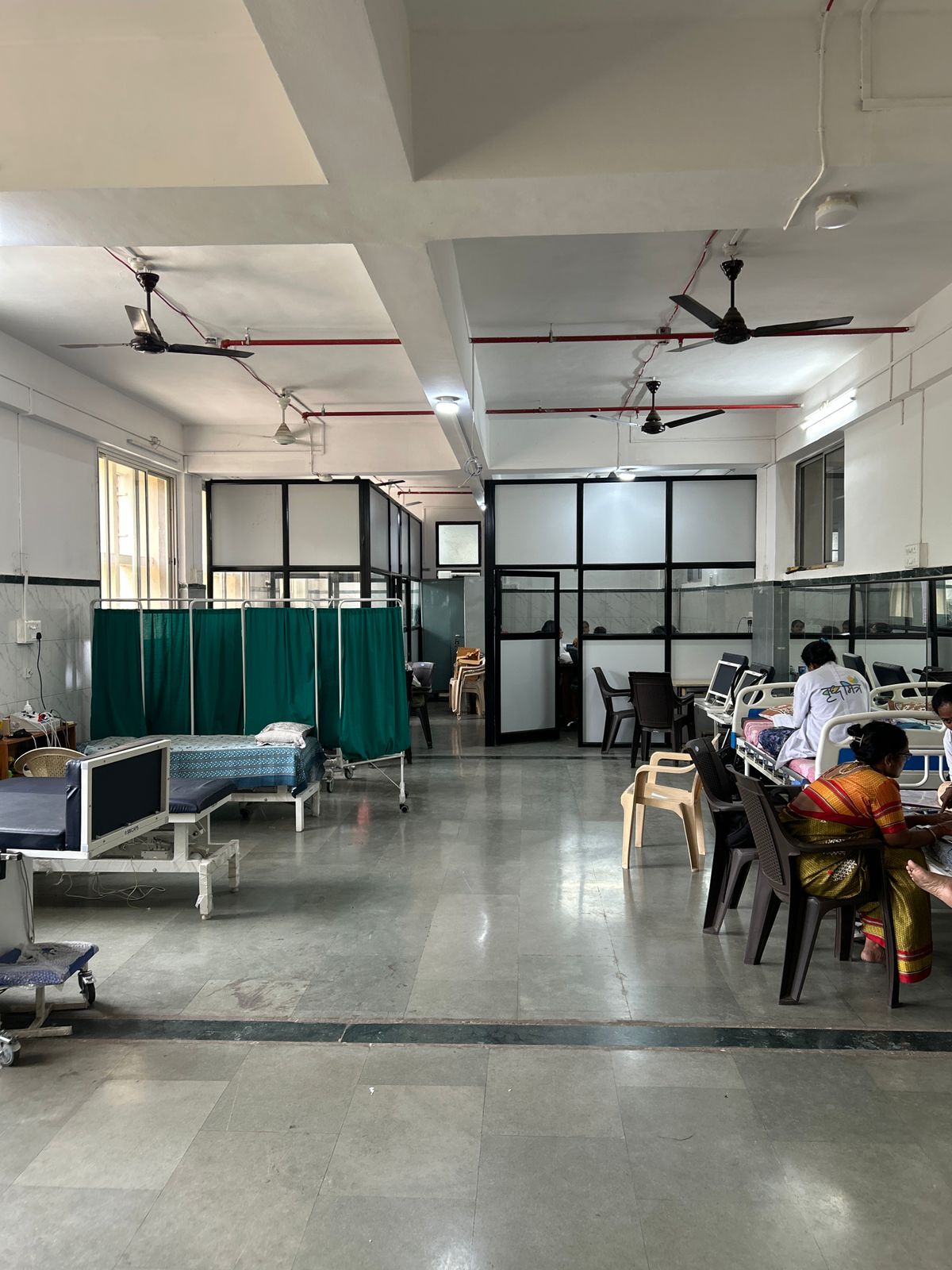
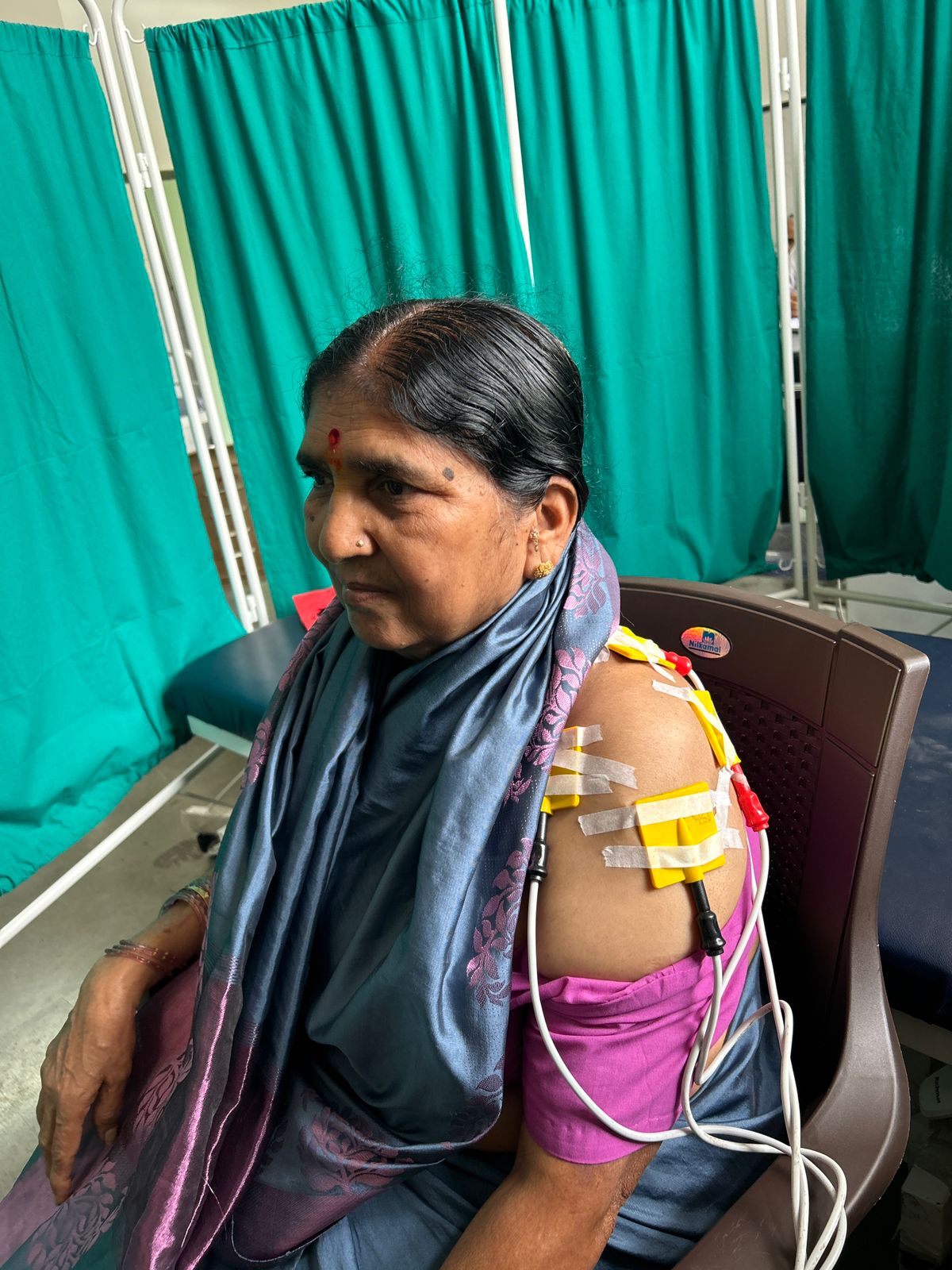
Geriatric Units were operationalized as exclusive centers for the elderly, which would understand their physical and mental health conditions and offer them customized care. The units comprise of a spacious room with various physiotherapy equipment, cots, and screens for privacy. Students from physiotherapy units provide individualised and focused treatment at no cost to the elderly.
How Geriatric Unit Started

JULY 13, 2021

Inauguration of Dalvi Hospital Geriatric Unit- The First Geriatric Unit.

APRIL 2022

Opening Of Bhopal Geriatric Unit.

MAY 2022

Inauguration of Sonawane Hospital Geriatric Unit

MAY 2023

Opening of Geriatric Unit in Gwalior.

AUGUST 2024

Geraitric Unit in Varanasi, UP.

MARCH 2025

Another Geriatric Unit in Varanasi in Partnership with Fortis.

Covid-19 Response

Humanitarian Response during the pandemic

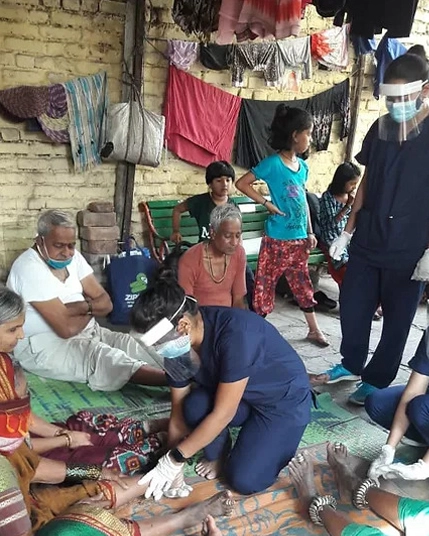
We realized that the older adults are at greater risk of illness and death during many types of emergencies including the Covid-19 pandemic. We also started witnessing that few specific conditions of elderlies, such as impaired mobility, diminished sensory awareness, multiple chronic illnesses, and social and economic limitations reduced their ability to adapt during situations like ‘Lock-Down’. Within no time, special efforts were initiated by the team. The most promising aspect that came handy during this situation was our already existing process of filling ‘Saving Life Checklist (SLC)’ for each elderly, which gave us complete understanding of their health, especially chronic illnesses.

  • Creating first responders/ peers of elderly through our community workers that reside in Slums.
  • Training these peers on meeting the unique needs of vulnerable older people
  • Creating back-up service providers for telehealth (both counselling and consultations)
  • Creating a system for listing and providing basic supplies: raw ration, hygiene products for standard precaution, medicines, multivitamins, adult-diapers and other life sustaining items
  • And rigorously implementing the individual care plan (ICP) developed on the basis of the Saving Life Checklist (SLC)

Our work during the COVID-19 pandemic was instrumental in developing the protocol for our emergency response system.
Left Content
Vriddha Mitra Academy

Vriddha Mitra Academy

The Vriddha Mitra program addresses the elderly caregiver shortage by training youth through its academy, promoting healthy aging, reducing healthcare costs, and creating careers.


Over 400 youth in Pune have been trained, with expansions to Gwalior and Bhopal, focusing on slum communities. Graduates work in various care settings with ongoing mentoring for skill enhancement and growth.


The curriculum consists of the following modules:

  • Caregiver for Elderly: Sensitive and dignified care.
  • Caregiver for Bedridden Patients: Nutrition, hygiene, and well-being.
  • Caregiver for Degenerative Disorder Patients: Specialized care for Dementia and Parkinson’s.
  • Physiotherapy Assistant: Manual and machine-based therapies.